Greg Norman offers essential 2026 driving tips guide
Greg Norman’s driving tips continue to be a benchmark for golfers seeking long, accurate tee shots. The former world No. 1 and two-time major champion has long boiled his approach down to three core...

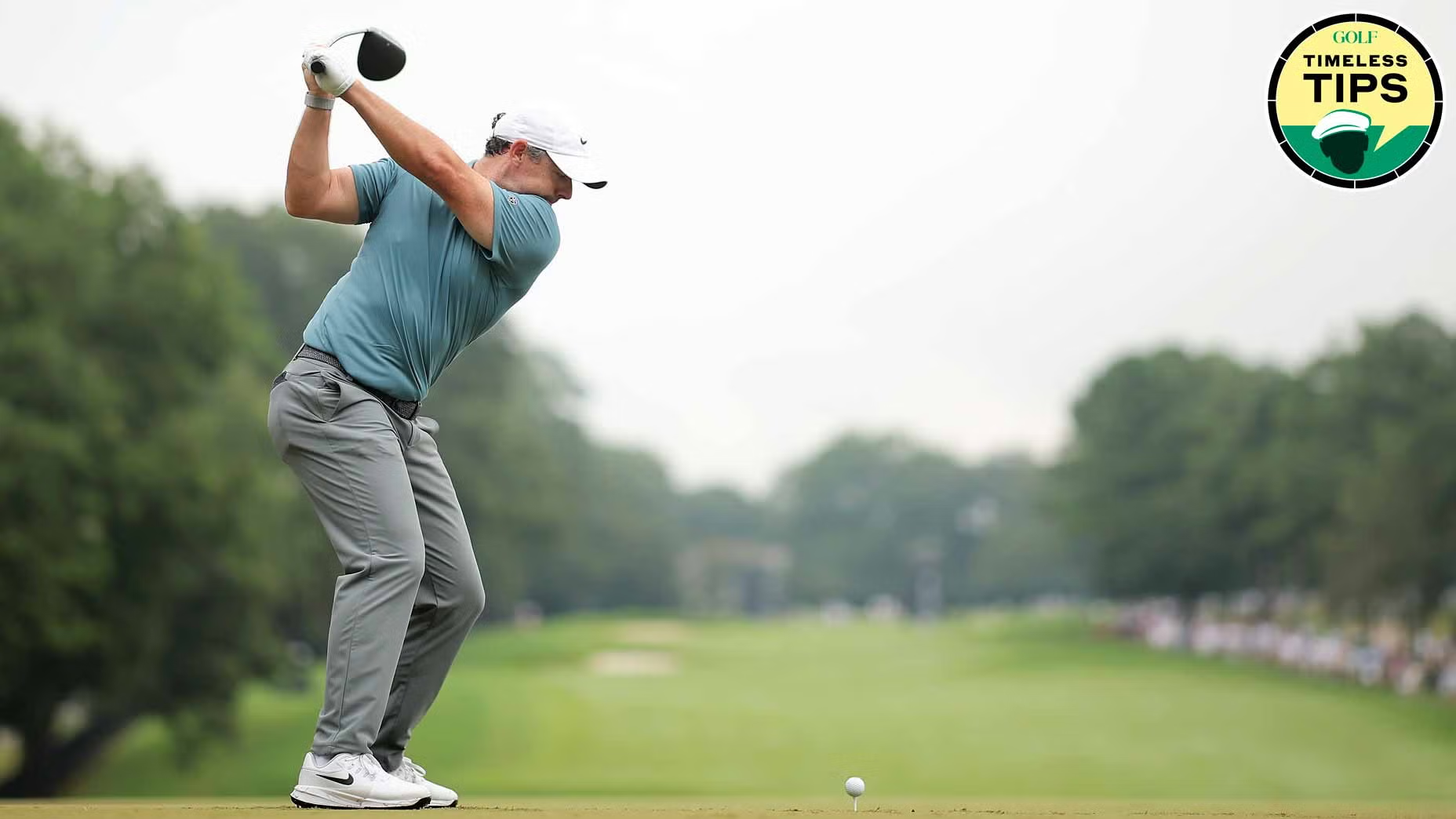
Greg Norman’s driving tips continue to be a benchmark for golfers seeking long, accurate tee shots. The former world No. 1 and two-time major champion has long boiled his approach down to three core fundamentals—an unusually specific grip, a wider stance, and deliberate hip rotation—principles he first detailed in a 1995 GOLF Magazine instruction piece and later refined with coach Claude “Butch” Harmon.
Table Of Content
Greg Norman’s three fundamentals for distance and accuracy
Norman says his ability to drive the ball farther while keeping it on target comes from a repeatable set of movements. After a period of reduced driving accuracy, he rebuilt his swing with Harmon and focused on three practical changes: grip, stance, and hip action. These adjustments helped him swing more aggressively while maintaining control, enabling a draw off the tee and better overall distance.
1. Semi-strong “intermesh” grip
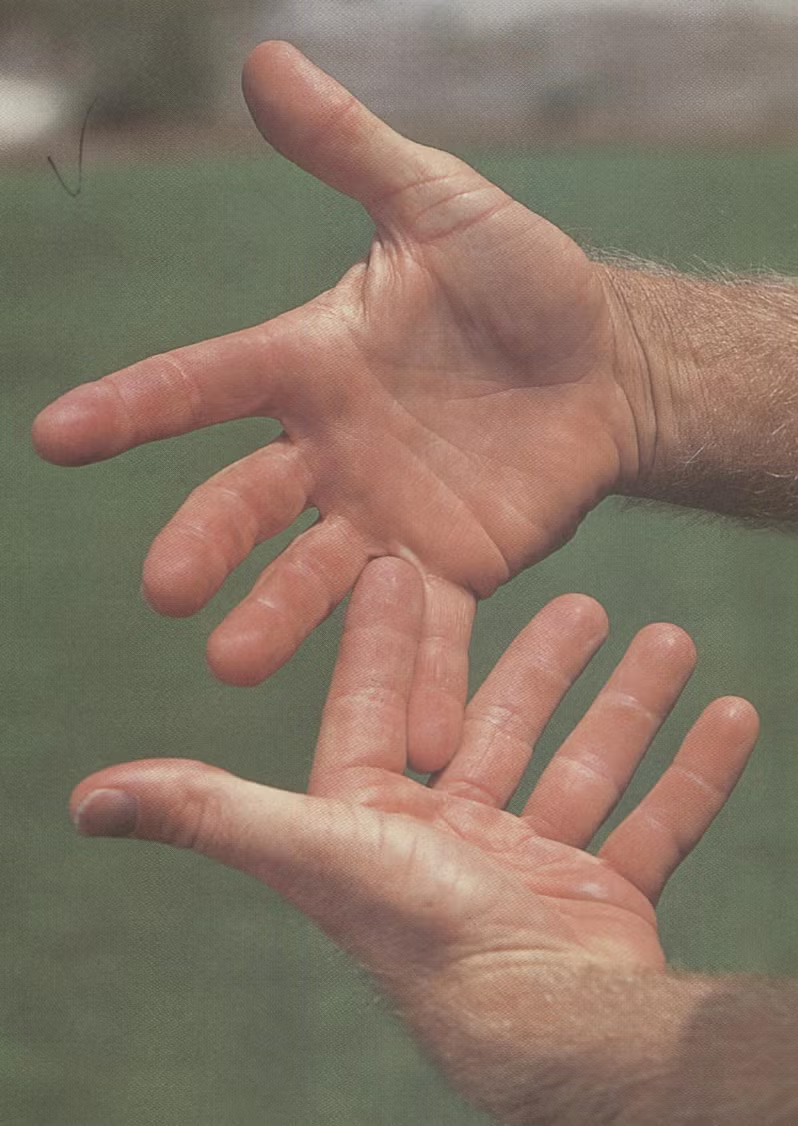
Focusing on the hands as the only connection to the club, Norman advocates what he calls an “intermesh” grip. The right pinkie nests between the left index and middle finger, while the left hand sits more in the fingers than in the palm, allowing a slightly stronger left wrist at address. That grip positions the club on an inside path during the backswing and encourages the face to shut through impact, contributing to a draw and extra roll after contact.
He also stresses balanced pressure across both hands—roughly a 7 out of 10—along with two key checkpoints: the left thumb seated in the crease beneath the right-hand pad, and palms aligned so the hands act as a single unit.
2. Wider, shoulder-width stance
A broader stance—measured at the inside of the heels to align with shoulder width—helps create a longer takeaway, a bigger swing arc, and a more reliable hip turn rather than a lateral slide. Norman found that a narrow stance can lead to an overactive wrist at the top, a drop of the club, and blocked tee shots under pressure.
To gauge the proper width, he suggests picturing a baseball shortstop in a ready position, which helps players feel balanced and stable enough to preserve the swing arc and rotate through the ball.
3. Shift and rotate the hips (medicine-ball drill)
To avoid hip slide and difficult finish positions that put strain on his back, Norman shifted focus from driving the legs to rotating the hips. Harmon and Norman’s trainer, Pete Draovitch, employed a simple medicine-ball drill at address: turn away from the target, then turn back and release the ball toward it. The exercise promotes rotation, improves flexibility, and teaches the feel of releasing the right arm over the left—key to producing a repeatable draw and solid impact.
Proper hip rotation, Norman explains, keeps the left foot grounded, prevents the right foot from sliding, and helps keep the clubface on the ball a fraction longer, improving contact and distance.
Why these Greg Norman driving tips matter
Norman’s changes were grounded in real improvement. After committing to the rebuild with Harmon in the early 1990s, he enhanced key statistics, rose on the money list, and claimed major titles and major tournament wins. He credits the combination of a semistrong grip, a wider stance, and deliberate hip rotation with enabling a more aggressive swing while maintaining control—turning greater distance into reliable scoring opportunities.
These principles translate well for amateur golfers as they emphasize repeatable mechanics over athletic quirks. Whether the goal is extra yards, fewer misses, or more confidence off the tee, Norman’s approach reduces dependence on perfectly timed swings and centers on positions and movements that can be practiced and measured.
Practical drills and checkpoints
Norman’s guidance offers concrete steps players can adopt immediately: test grip pressure and thumb placement, verify stance width at setup, and practice the medicine-ball (or basketball) rotation drill to build the feeling of turning rather than sliding. Regularly revisiting these fundamentals—something Norman did with periodic swing checks—helps sustain improvements when pressure rises.
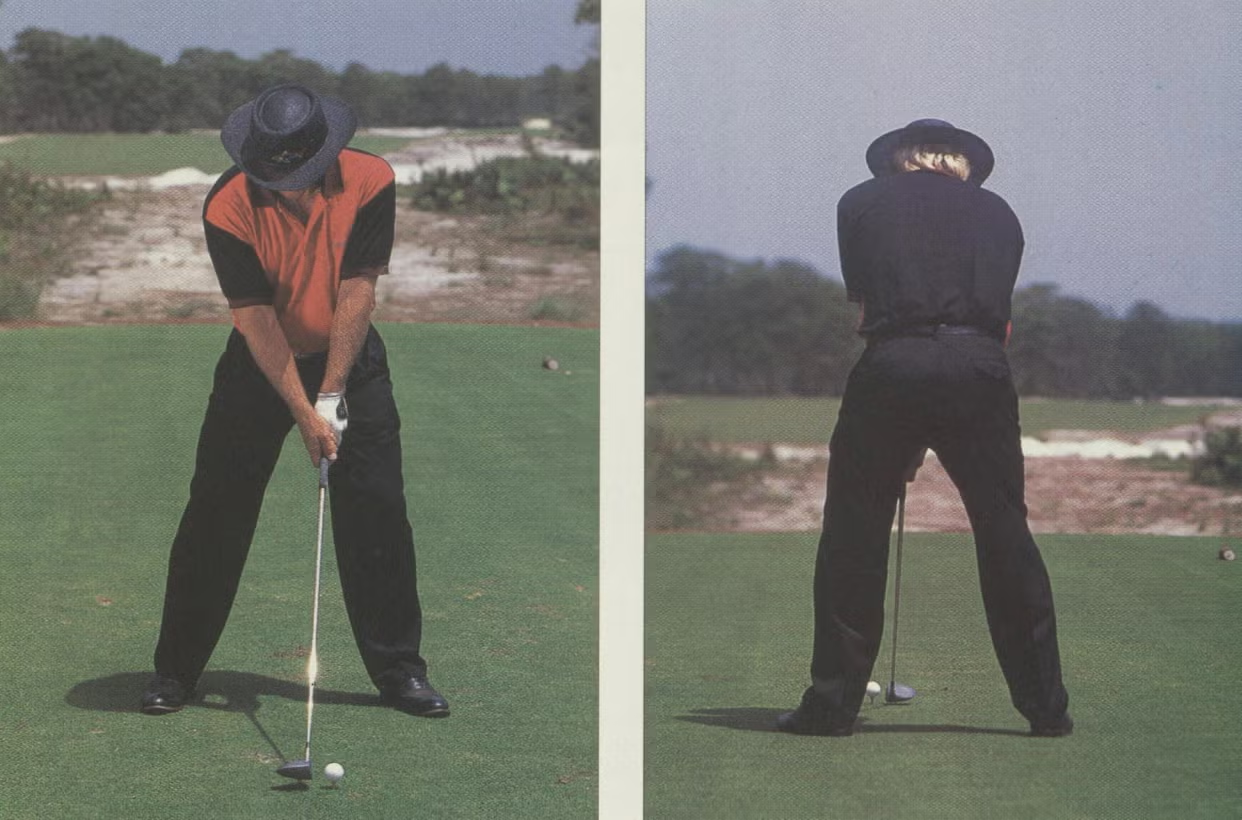
As Norman notes, you don’t have to follow every instruction exactly; you should return to the fundamentals, study them, and adapt the keys to your own body and swing.
What Happens Next
Players eager to apply these Greg Norman driving tips should start with refining the grip and stance, then gradually incorporate the hip-rotation drills. Recording a swing on video can help compare positions, and a session with a qualified instructor can ensure the changes suit individual swing characteristics and body types. For further instruction, consult reputable teaching content and, when available, video analyses of Norman’s swing.
Norman’s experience—rebuilding with a coach, practicing drilled fundamentals, and achieving measurable gains—highlights an approach accessible to committed golfers: focus on a small set of reliable positions, rehearse them under practice conditions, and reinforce them with drills that develop both strength and feel.
Source: Original report
Related: More Greg Norman driving tips coverage
Quote: After evaluating Norman’s swing, Butch Harmon told him, “Greg, your stance is too narrow; your footwork is poor; the swing is too long and too steep; and your hips sway on the backswing then slide on the downswing.” That frank assessment set the stage for the changes Norman describes.